Choosing flooring for your home is a significant decision. Among various options, eco-friendly bamboo flooring stands out. Why use eco friendly bamboo for home flooring? Firstly, bamboo grows rapidly. It can reach full height in just a few months. This makes it a sustainable resource. Unlike hardwood trees, which take decades to mature, bamboo offers an eco-conscious choice.
Bamboo flooring is not just about sustainability. It also provides durability and strength. Many families appreciate its resilience against wear and tear. This flooring can handle heavy foot traffic well, making it a practical option. However, some homeowners wonder about maintenance. Bamboo may require specific cleaning products to maintain its beauty.
Additionally, bamboo has a unique aesthetic. Its natural patterns create warmth in any space. However, this might not appeal to everyone. Some may prefer more conventional flooring options. It’s essential to consider personal preferences while selecting bamboo. Remember, your choice reflects your values and lifestyle. Exploring eco-friendly flooring can lead to a more sustainable home.
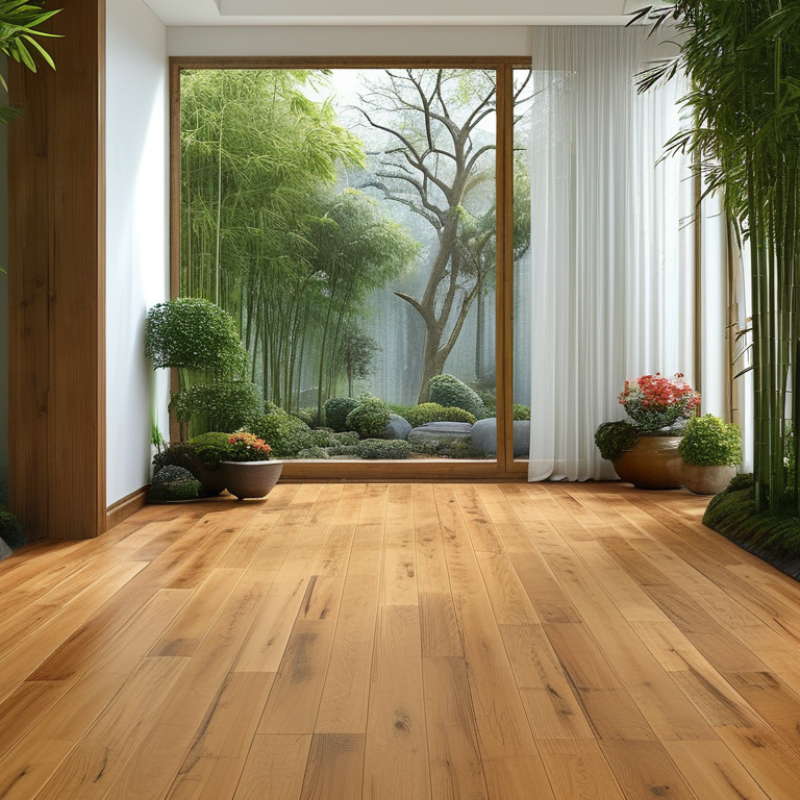
Benefits of Bamboo Flooring for Sustainable Living
Bamboo flooring is rapidly gaining popularity among eco-conscious homeowners. It offers an impressive blend of durability and sustainability. Bamboo grows quickly, often reaching maturity in just three to five years. This makes it a renewable resource when compared to traditional hardwoods, which can take decades to replenish.
In terms of sustainability, bamboo flooring requires less energy to produce. The manufacturing process generates fewer carbon emissions. Moreover, bamboo can thrive in a variety of climates, which means it can be sourced locally in many areas. This reduces transportation impact and supports local economies.
While bamboo flooring has many advantages, some challenges also exist. It can be susceptible to moisture damage if not properly sealed. This is something to consider in humid climates. Homeowners must be diligent in maintenance to ensure it lasts.
Despite its flaws, bamboo remains a compelling choice for those pursuing a sustainable lifestyle. Its unique beauty and environmental benefits are hard to ignore.
Comparison of Bamboo Flooring with Traditional Flooring Options
Bamboo flooring has gained traction as a sustainable alternative to traditional hardwood options. It is made from a rapidly renewable resource, which can mature in just three to five years, unlike hardwood trees that may take decades to grow. According to the International Institute of Bamboo and Rattan, bamboo can be harvested sustainably without destroying the plant itself, making it an eco-friendly choice.
When comparing bamboo flooring to traditional options such as oak or maple, several factors emerge. For instance, bamboo is often harder than many hardwoods, making it more resistant to dents and scratches. A report by the National Wood Flooring Association states that bamboo offers a Janka hardness rating that can reach up to 15% higher than some hardwoods. This durability can lead to lower maintenance costs over time.
However, bamboo is not without its challenges. While it can be water-resistant, it is not entirely waterproof. Prolonged exposure to moisture may lead to warping or mold. This aspect requires homeowners to assess climate conditions carefully before opting for bamboo. Understanding these variables is crucial in making an informed decision in flooring investments.
Comparison of Eco-Friendly Bamboo Flooring vs Traditional Flooring Options
Environmental Impact of Bamboo Harvesting and Production
The environmental impact of bamboo harvesting and production is noteworthy. Bamboo is often hailed as a sustainable material. It grows rapidly, reaching maturity in three to five years. This fast growth reduces the need for deforestation. Additionally, bamboo absorbs carbon dioxide effectively, contributing to lower greenhouse gas levels.
However, not all bamboo harvesting practices are environmentally friendly. In some regions, aggressive harvesting leads to soil erosion and loss of biodiversity. Poor management can disrupt local ecosystems. Sustainable methods are crucial to minimize these negative effects. Responsible farming includes replanting and maintaining healthy bamboo stands.
Manufacturing bamboo flooring also poses challenges. While the process uses fewer chemicals than traditional wood, some adhesives and finishes can release volatile organic compounds. These emissions may compromise indoor air quality. Choosing certified eco-friendly products can help mitigate these issues. Understanding these nuances is essential for making informed choices about bamboo flooring.
2026 Best Reasons to Choose Eco Friendly Bamboo Flooring - Environmental Impact of Bamboo Harvesting and Production
| Dimension |
Data |
| Average Lifespan |
30 years |
| Growth Rate of Bamboo |
3-5 years to maturity |
| Carbon Sequestration Potential |
Up to 35% more CO2 absorbed than hardwoods |
| Recyclability |
100% |
| Chemical Use in Production |
Lower than traditional hardwood production |
| Sustainability Rating |
Excellent |
| Impact on Biodiversity |
Minimal with proper management |
| Water Requirements |
Less than many traditional timber sources |
Installation and Maintenance Tips for Bamboo Flooring
Choosing bamboo flooring is an eco-friendly option. Installing and maintaining it requires some careful considerations. Bamboo is durable but can be susceptible to moisture damage. Ensuring your home has proper humidity levels is vital.
Before installation, prepare the subfloor carefully. It should be clean, dry, and level. Acclimate the bamboo planks in the room for at least 72 hours. This helps prevent expansion or contraction after installation. Use a moisture barrier in areas prone to humidity.
For maintenance, regular cleaning is necessary. Vacuum or sweep to remove dirt and dust. Use a damp mop with mild cleaners designed for bamboo. Avoid harsh chemicals that can damage the finish. It's essential to manage scratches early. Area rugs in high-traffic spots can help protect the surface.
Although bamboo flooring is resilient, it isn’t invincible. Scratches and dents may occur over time. Consider refinishing the surface every few years. This can revitalize the appearance and extend its life. Pay attention to your preferences and the needs of your bamboo flooring—it demands both love and care.
Aesthetic Versatility of Bamboo Flooring in Home Design
Bamboo flooring offers a unique aesthetic versatility that appeals to many homeowners. Its natural grain patterns and colors create a warm, inviting atmosphere. According to the Environmental Protection Agency (EPA), bamboo can be an eco-friendly alternative, as it grows rapidly and can be harvested sustainably. This allows for a variety of design options in both modern and traditional homes.
The visual appeal of bamboo flooring can adapt to numerous interior styles. Whether you prefer a sleek, contemporary look or a rustic, farmhouse vibe, bamboo fits seamlessly. A recent study by the National Wood Flooring Association highlights that bamboo flooring can increase a home's value due to its attractive appearance. The versatility in design means it can complement various furnishings and decor choices.
However, it's crucial to consider the maintenance involved. While bamboo is durable, it's also sensitive to humidity. Some homeowners report scratches or dents from heavy furniture. These challenges remind us that even beautiful materials require care and thoughtfulness in selection and installation. The right choices can truly elevate home design while maintaining eco-friendliness.
FAQS
: Bamboo matures in three to five years. It is a renewable resource compared to slow-growing hardwoods.
It requires less energy to produce and generates fewer carbon emissions during manufacturing.
Yes, it thrives in various climates. Local sourcing reduces transportation impact and supports local economies.
Regular cleaning is vital. Use a vacuum or sweep, and a damp mop with mild cleaners.
Bamboo can be susceptible to moisture damage. Proper sealing is essential in humid climates for longevity.
Ensure the subfloor is clean, dry, and level. Proper preparation helps prevent issues after installation.
Yes, acclimate the planks for at least 72 hours. This helps prevent expansion or contraction issues.
Use area rugs in high-traffic areas. Early attention to scratches helps maintain the flooring's appearance.
Consider refinishing every few years. It revitalizes the surface and extends the lifespan of the flooring.
While durable, it is not invincible. Diligent maintenance is needed to keep it looking its best.
Conclusion
Eco-friendly bamboo flooring presents a sustainable option for modern home design, offering numerous benefits for environmentally conscious homeowners. Key advantages include its rapid renewability and ability to sequester carbon, making it a smart choice for reducing ecological footprints. When compared to traditional flooring options, bamboo is often more durable and comes in various styles, enhancing aesthetic appeal while promoting sustainable living.
Additionally, the harvesting and production processes of bamboo have a relatively low environmental impact, aligning with green building practices. Proper installation and maintenance of bamboo flooring ensure longevity and performance, making it a practical long-term investment. Ultimately, understanding why to use eco-friendly bamboo for home flooring highlights its multifaceted advantages, from environmental benefits to versatile design possibilities.

 Prairie Floor